
Finding Plum Resident Records
Start with the fact you can state plainly. A known Plum address is the best entry to the Allegheny assessment search. A known marriage year belongs with the county Marriage License and Records unit. A named court case belongs in the statewide docket search, then at the proper court counter if more is needed. A past household may require a directory, deed, estate, or census source instead. No one public roll identifies every person who lives in Plum, and each record answers only its own narrow question.
Property records show an owner of record and where assessment mail is sent. They do not establish every current occupant. A voter-status match is an individual confirmation route, not a street browser. A court docket records a case connection on a date, not a home address. Keep the source date with every note. That small habit makes it much easier to separate an old lead from a fact that still needs confirmation.
- For an address, search the Allegheny County Real Estate Portal by street or parcel number and select Plum when narrowing a result.
- Save the parcel ID, block-lot number, deed reference, sale date, and the distinction between situs and mailing address.
- Use the official voter-status service only to confirm one person, or request a controlled voter-list product through the lawful state process.
- For a past household, pair a dated directory or census clue with a deed, estate, or vital-record source that fits the era.
- When a record is not online, contact the named custodian, county counter, library, archive, or Plum open-records officer for an existing record.
Note: A missing web result may reflect coverage, access rules, or an older filing medium rather than the absence of a record.
Plum Records Offices and Rolls
Plum is not a county seat. Most durable resident evidence is held in Pittsburgh by Allegheny County, while the Borough keeps its own municipal files. The Division of Real Estate is the county land-record route. Property Assessments maintains the address and parcel portal. County Elections and the Pennsylvania voter service have separate roles. The Borough is the proper custodian for existing permits, inspections, code files, meeting material, and Right-to-Know requests.
Allegheny Division of Real Estate
County Office Building, Room 101
542 Forbes Ave., Pittsburgh, PA 15219
412-350-4636, option 2
Allegheny Property Assessments
Countywide assessment records
Address and parcel-number access for Plum
LandHelp@AlleghenyCounty.US
Allegheny County Elections
County Office Building, Room 312
542 Forbes Ave., Pittsburgh, PA 15219
412-350-4500
The full address-oriented sequence, including parcel maps and deed references, is set out in the Plum street directory.
Plum Starts With Allegheny Records
County records are especially important because Plum Borough sits about 15 miles east of Pittsburgh and the key county offices are downtown. The public property form has a useful limit: it searches by address or parcel number, not by an owner name. Enter the street name without its suffix, add a house number when known, and use the optional Plum municipality choice. Results are capped at 100, so a long street benefits from more detail.
A selected parcel can show the owner, owner mailing destination, school district, sale and recording data, deed book and page, taxes, values, map view, building data, and two preceding owners. The mailing field is where assessment mail goes. It is not proof that a person occupies either that address or the physical parcel. That distinction keeps a Plum residents directory search from turning ownership into an unsupported claim about a household.
The Allegheny property search shows the public address and parcel entry form used for Plum research.
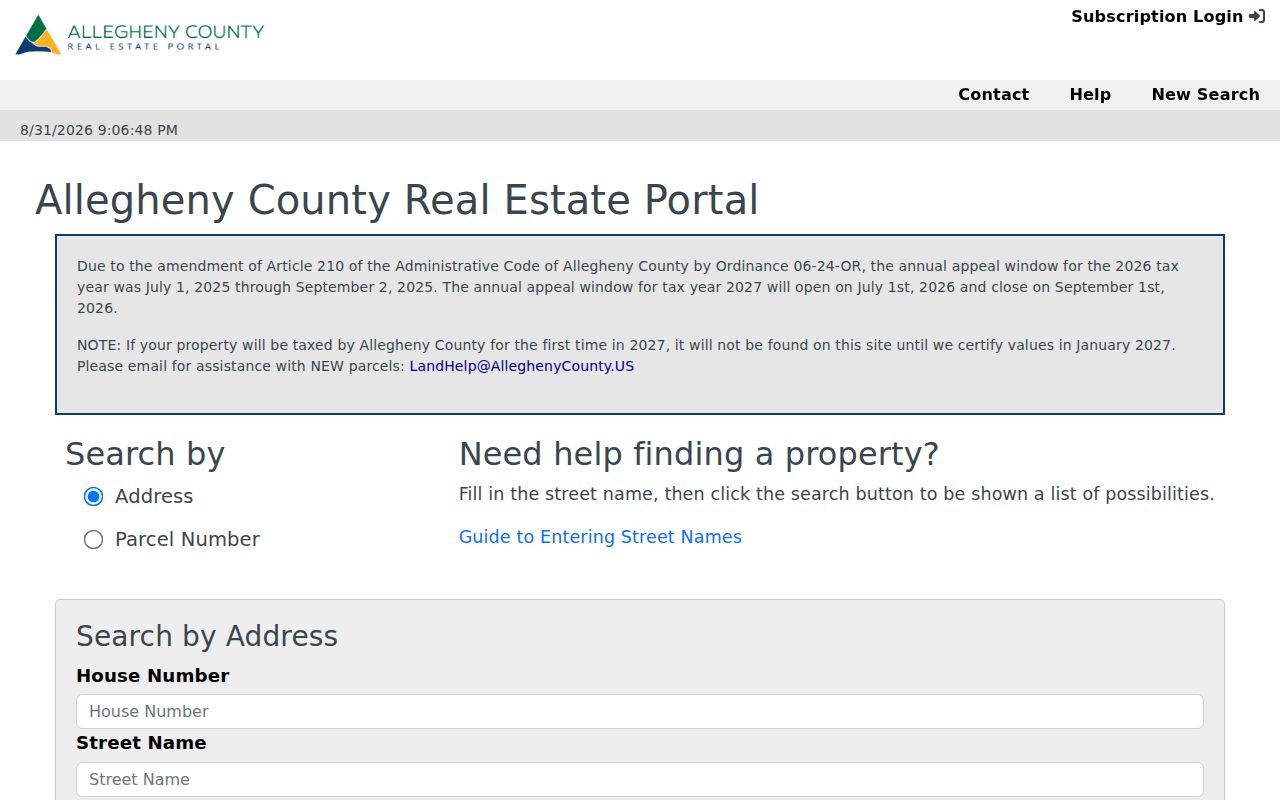
It is the starting screen for an address-led property trail, not an owner-name directory.
Plum Parcels Link Maps and Deeds
A parcel is the county unit that ties an ordinary street location to property records. Write down its PIN or block-lot number, then keep the legal description, plan reference, recording date, and deed book/page together. The County GIS Viewer adds map context. It supports address search, parcel display, layers, pan and zoom, measurement, printing, and sharing. The assessment map is useful context, but the interactive GIS view is the better tool for looking at parcel placement.
| Portal field | Why it matters in Plum |
|---|---|
| Street Name | Required for the address route; omit the street suffix and use Plum to narrow results. |
| House Number | Optional field that narrows a street search. |
| Municipality | Optional dropdown; Plum avoids a countywide street match. |
| Parcel Number / Block-Lot | Alternative search route; leading zeroes may be omitted and a partial number is accepted. |
| Previous Owners tab | Shows current and two earlier owners only, so older title work moves to deeds. |
The Allegheny County GIS page describes the parcel viewer functions available for a Plum address.
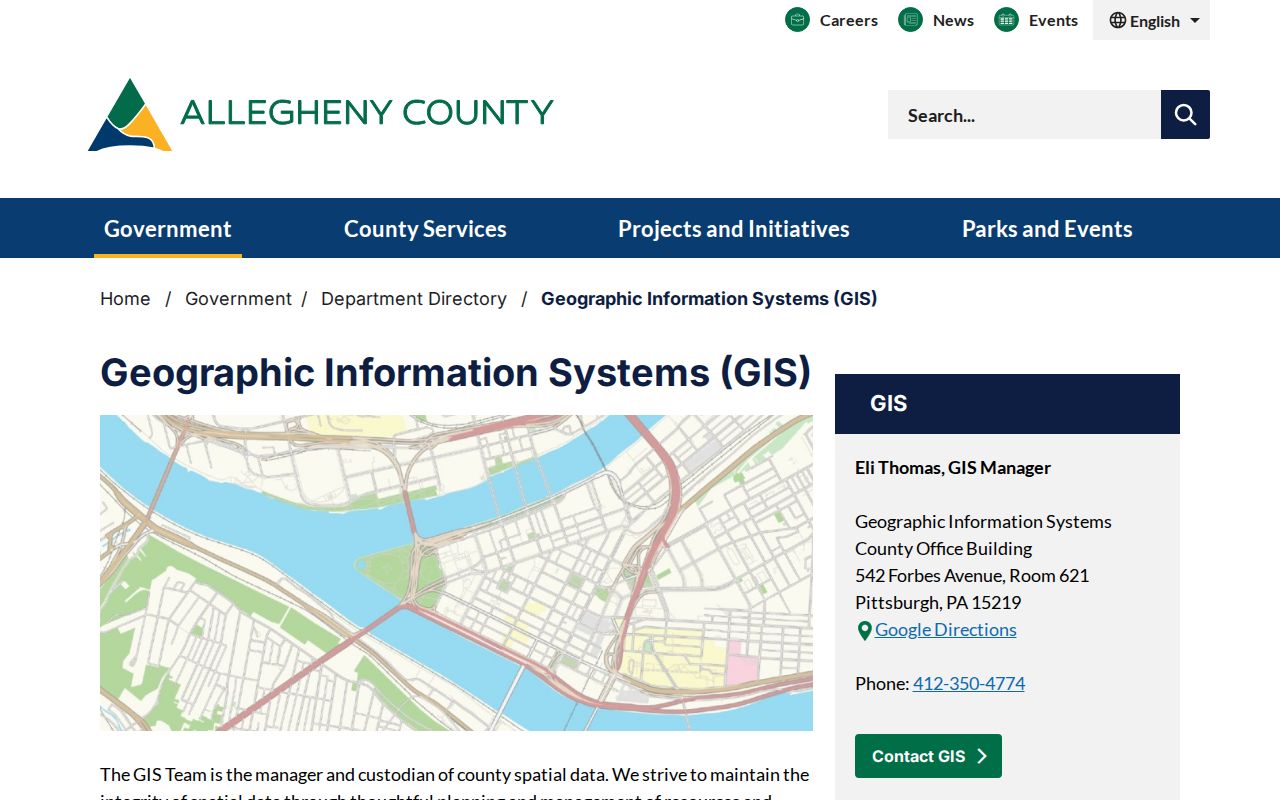
Map geometry helps orient a search, but it is not a survey or an occupant list.
- Parcel
- A county-defined property unit used across assessment, map, and deed work.
- Index
- A finding tool that points to records; it may not include every document image or field.
- Resident roll
- A record set that identifies people for its limited purpose, such as registration or a dated directory listing.
- Criss-cross directory
- An address-first directory format, useful only when a verified volume actually includes it.
Current Plum Resident Directory Sources
Current resident-directory evidence is scattered by purpose. The assessment portal follows property and tax administration. Recorded deeds identify parties to a conveyance. Voter tools have tightly different public and controlled routes. Court records preserve proceedings. None of these is a general household inventory, but each can corroborate a particular date, property, or public filing when used within its limits.
| Plum source | What it can confirm | Custodian | Access route |
|---|---|---|---|
| Assessment parcel | Owner of record, parcel facts, tax mailing destination, sale and deed references | Allegheny Property Assessments | Free address or PIN portal |
| Recorded land document | Parties, recording placement, legal description, plan references | Division of Real Estate | Official record search, counter, or copy route |
| Voter status | Individual registration status, party, and polling-place address after a match | PA Voter Services / County Elections | Official individual check |
| Court docket | Participant, case, date, status, and docket activity | UJS / Department of Court Records | Public docket or appropriate court counter |
| Borough file | Existing permit, inspection, zoning, code, or meeting record | Plum Borough | Custodian contact or Right-to-Know request |
When the question is about one named person rather than an address, the Plum resident lookup uses a separate verification sequence.
Plum Voter Records Have Limits
The state’s status service is for confirming one voter record. Allegheny County says a successful match displays party affiliation and a polling-place address. The broader public-information, Street, Walking, and Full Voter Export lists are formal products with stated fields and limits. A Pennsylvania Street List includes name, residence and mailing addresses, party, and active or inactive status, but it costs $20 per request and is subject to a signed permitted-use affirmation and a ban on Internet publication.
That separation matters. Voter registration data can be dated and can change through ordinary administration. The county’s 2024 challenge explanation says a status was not changed merely because a voter was challenged; confirmation in writing and a removal request were required. A missing or inactive entry is not proof that a person has left Plum.
The Pennsylvania voter-status service is the official individual route.
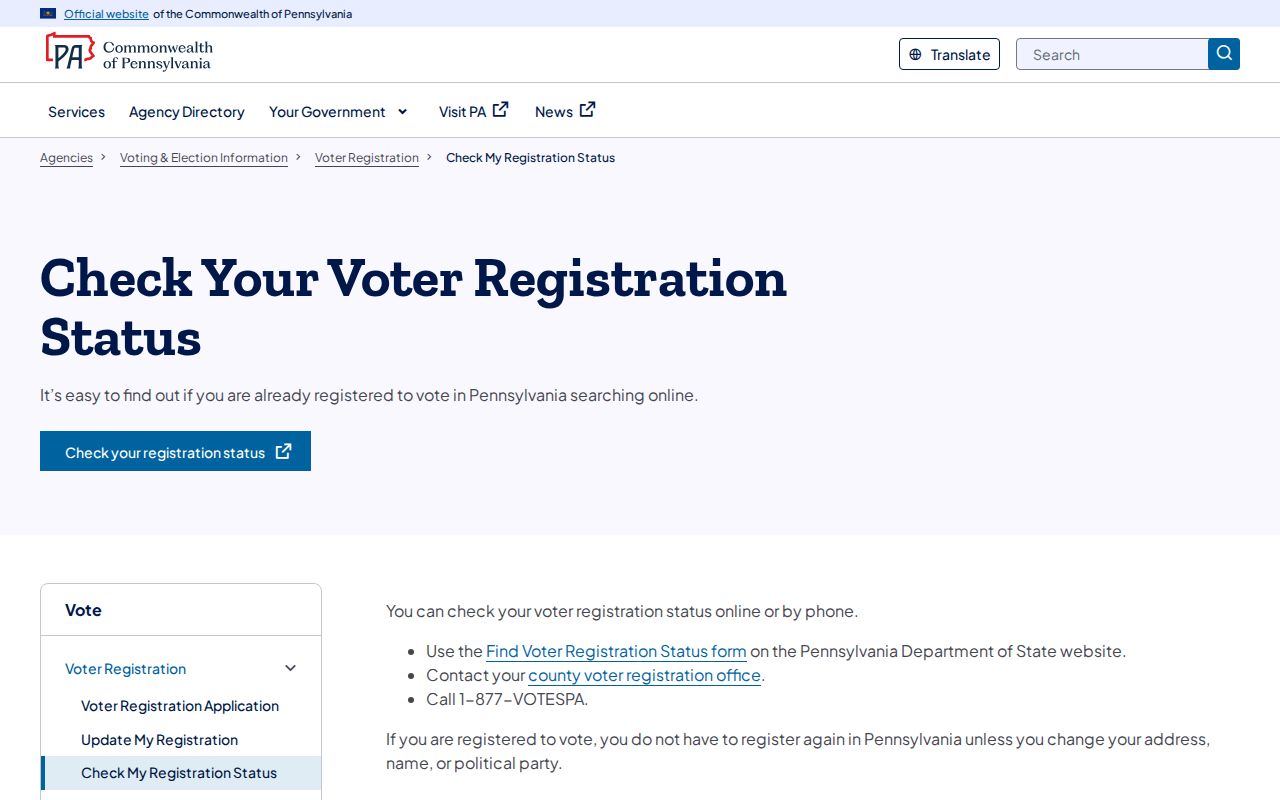
Use a status result as a dated administrative check and follow the state’s rules for any list product.
Note: Voter lists are controlled election records, not a license to publish or target people on a street.
Plum Court and Custody Checks
Pennsylvania UJS public docket sheets cover criminal Common Pleas, Magisterial District, appellate, and Philadelphia Municipal Court categories. A participant-name search can be narrowed by county, court office, docket type, filing dates, and sometimes date of birth. The result can show a docket number, case caption, status, filing date, participants, calendar events, financial entries, and filings. It is not the complete court file or proof of an address.
Allegheny County keeps additional paths at the Department of Court Records. Current-year plus four prior criminal case files are in Room 220, while older files are ordered from storage. Civil, family, estate, adoption, juvenile, sealed, expunged, and limited-access matters have their own rules or remain unavailable. The public county jail page provides information and contact channels but no public name-search roster was located. State-sentenced custody is a separate Department of Corrections locator.
The UJS Case Information portal separates public docket sheets from secure services.
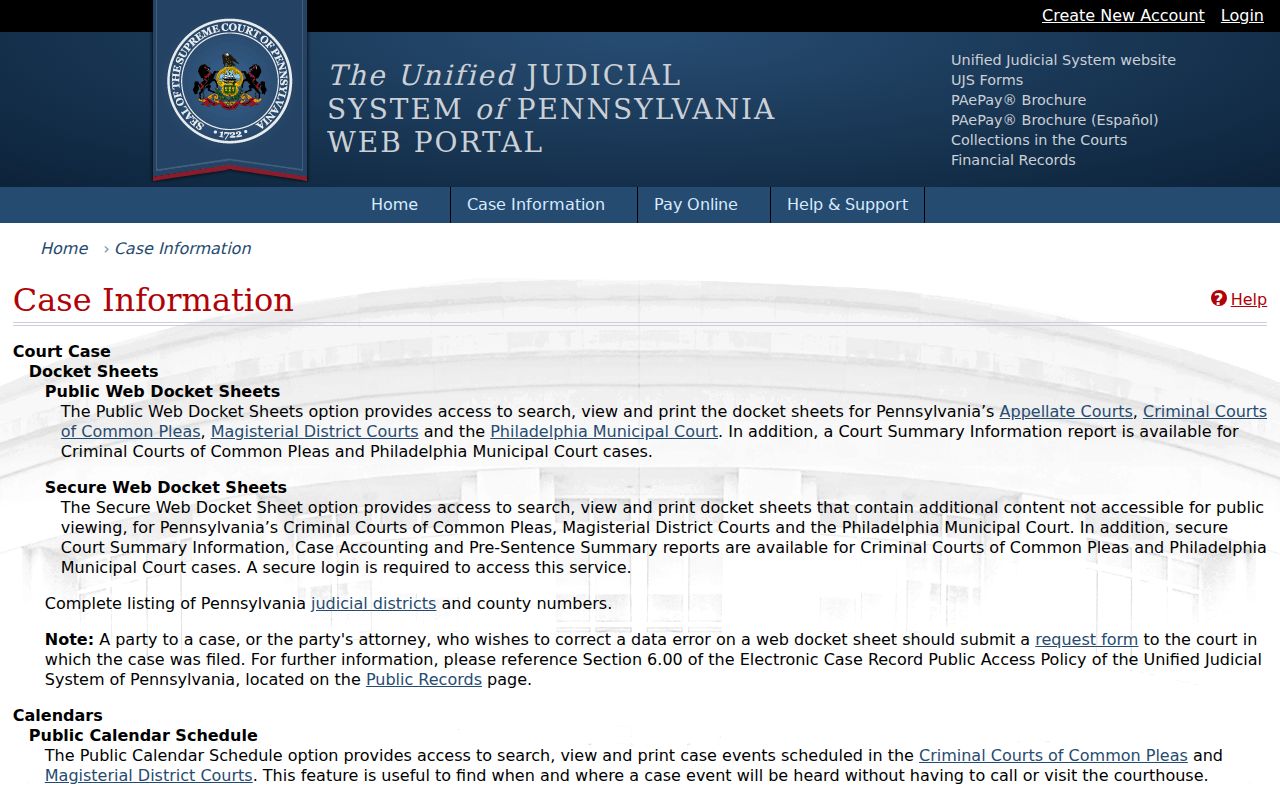
A public docket can place a case in time, but the correct court custodian controls the fuller file path.
The Allegheny County jail information page documents the local information route.
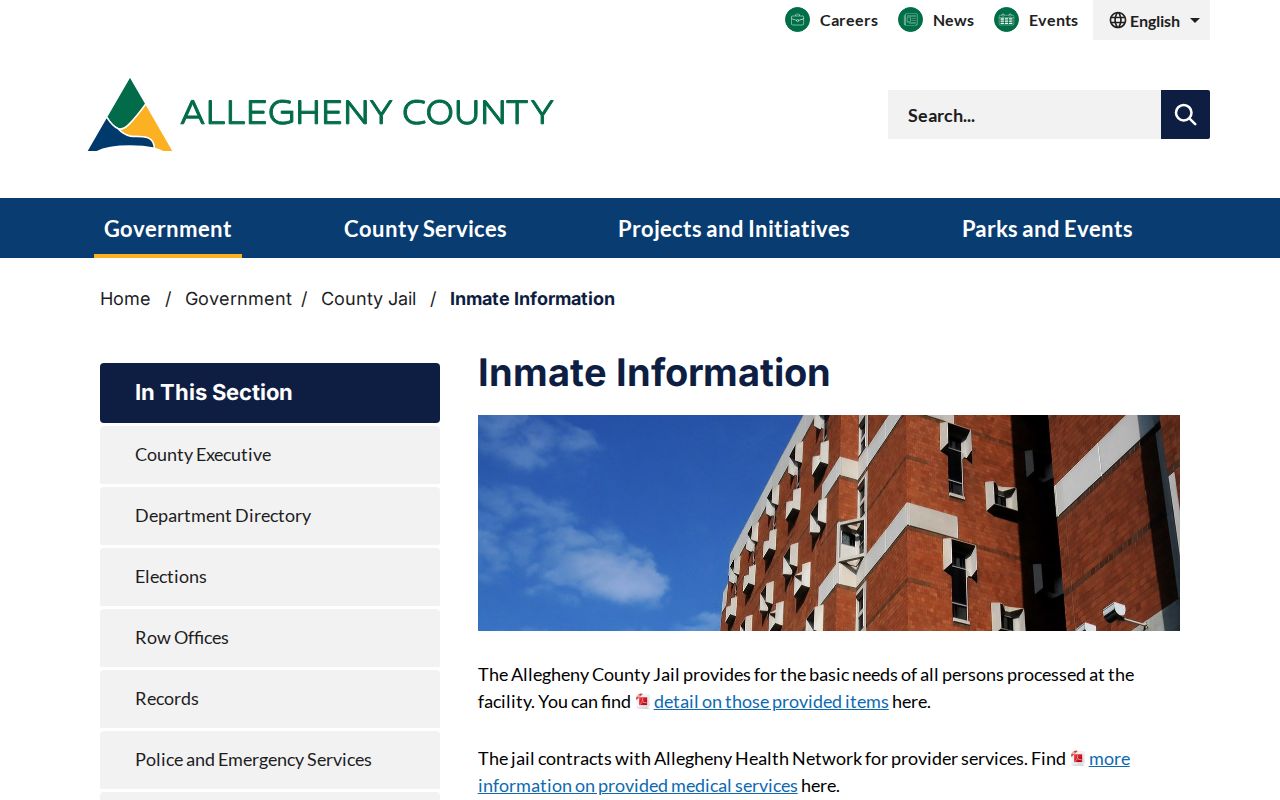
For state custody, use the Department of Corrections locator rather than assuming a county page supplies a roster.
Plum Marriage and Vital Trails
Allegheny marriage records are a strong local historical route. The county holds licenses from 1885 to the present and says they are open for viewing. Licenses from 1996 forward can be searched and ordered online; an earlier request still needs one spouse’s complete name and a marriage year. County history notes that applications can include residence and other family details, with additional parent details from 1915. A plain copy is listed at $4, including the stated unsuccessful-search fee.
Birth and death records follow Pennsylvania’s statewide rules. Birth originals become public 105 years after birth, while death certificates become public 50 years after death. The State Archives route serves historic material, while current certified requests have eligibility rules. Estates offer another dated trail: Allegheny records identify estates from 1789 and the Carnegie Library Pennsylvania Department holds the Estates Index for 1788–1971.
The Allegheny marriage-records page explains the county search and order paths.
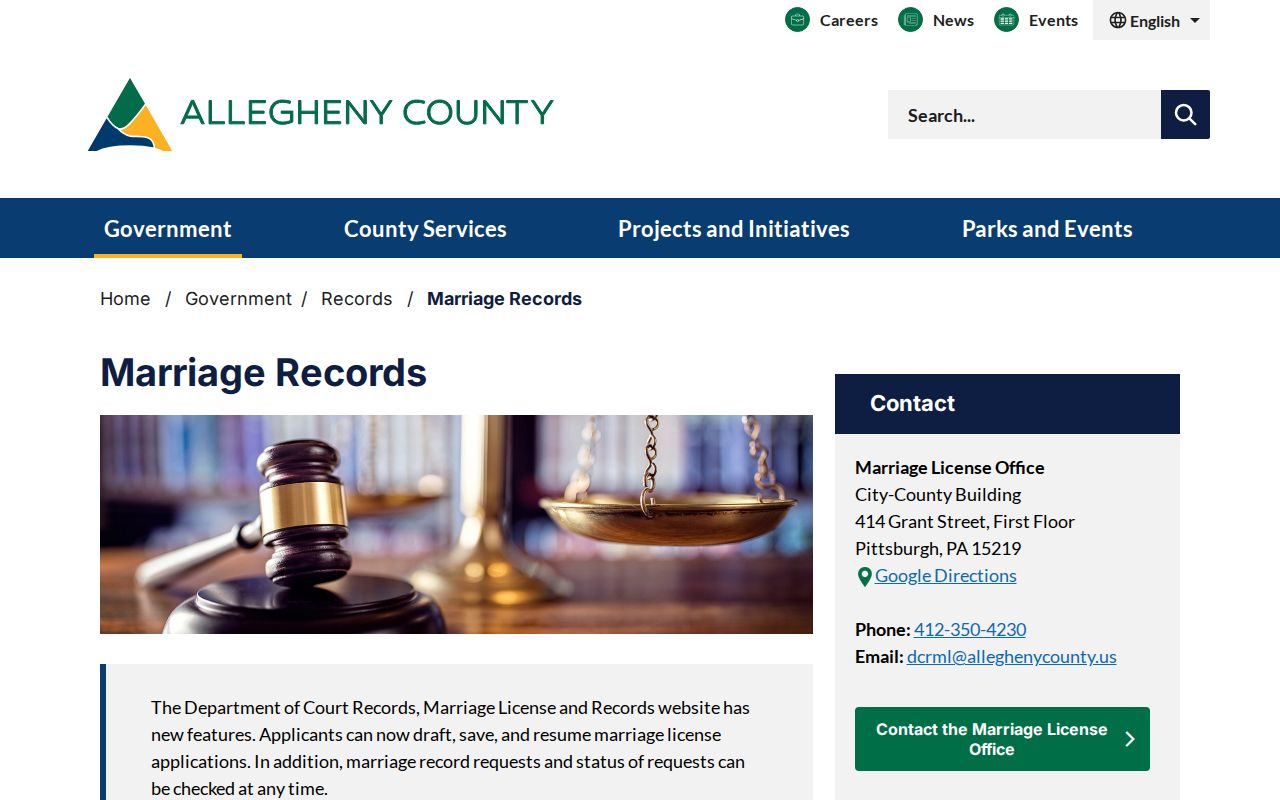
Marriage material is a dated record of an application or license, not a shortcut around other privacy restrictions.
Historical Plum Directory Leads
Plum’s older geography is a research advantage when it is used carefully. Plum Township began in 1788 and Plum became a borough in 1956, so historic material may say Plum Township, a local settlement, or Pittsburgh as the mailing city. The University of Pittsburgh’s Historic Pittsburgh collection has regional directory items principally spanning 1815–1945, yet most volumes concern Pittsburgh and Allegheny City. Confirm the title and geographic statement before treating a volume as evidence for a Plum household.
The Detre Library & Archives, Carnegie Library Pennsylvania Department, Plum Borough Community Library, and state collections add archival routes. A directory entry is evidence of a listing in that year. Copy its exact spelling, year, publisher, page, and abbreviations. Pair it with deeds, census, estate indexes, maps, or obituaries instead of assuming it records every person at the address.
Note: The regional collection is useful for Plum leads, but no authoritative Plum-specific city-directory run or reverse-directory run was identified.
Plum Land Records Beyond the Web
Allegheny deeds reach back to 1789, and the Division of Real Estate keeps deed-index books. The official record search supports grantor or grantee name, subdivision, document type or number, recorded-date range, index-only search, and OCR full-text search. Index-only is the careful first method for recorded fields. OCR can help find a historic phrase or party, but it must be checked against the indexed record and image.
Not every historic image is necessarily served the same way. County material documents books, microfilm, office computers, and digitization work for early deeds. When a web search stops, ask the Division which medium serves the exact book or volume. Property and land copies can be requested in person, by county mail procedure, or through the appropriate online channel. Plum municipal files have their own fallback: an identifiable request to the borough open-records officer may be mailed, emailed, faxed, or delivered in person.
The Allegheny land-records hub is the county entry point for deeds, plans, and historical material.
The land-record route connects a current parcel to recorded instruments and older office-held sources.
Plum Mailing Labels Need Context
Postal wording can confuse a record trail. County and borough sources commonly use Pittsburgh, PA 15239 for Plum facilities, while the county solid-waste plan lists 15239, 15147, and 15068 within Plum Borough. A Pittsburgh mailing label does not put the property inside the City of Pittsburgh. For jurisdiction, use the municipality field in the county assessment record, the parcel identifier, and the legal description rather than the postal city alone.
This geography also helps with old documents. Coal-era places, later subdivisions, river and stream corridors, and roads such as Leechburg, New Texas, Saltsburg, or Old Frankstown may appear as alternate search terms. Keep Plum, Plum Township, the street or plan name, and the county parcel reference together. They are more reliable than treating a ZIP code as a government boundary.
The Pennsylvania DOC locator is one more example of a distinct official route with its own scope and search rules.
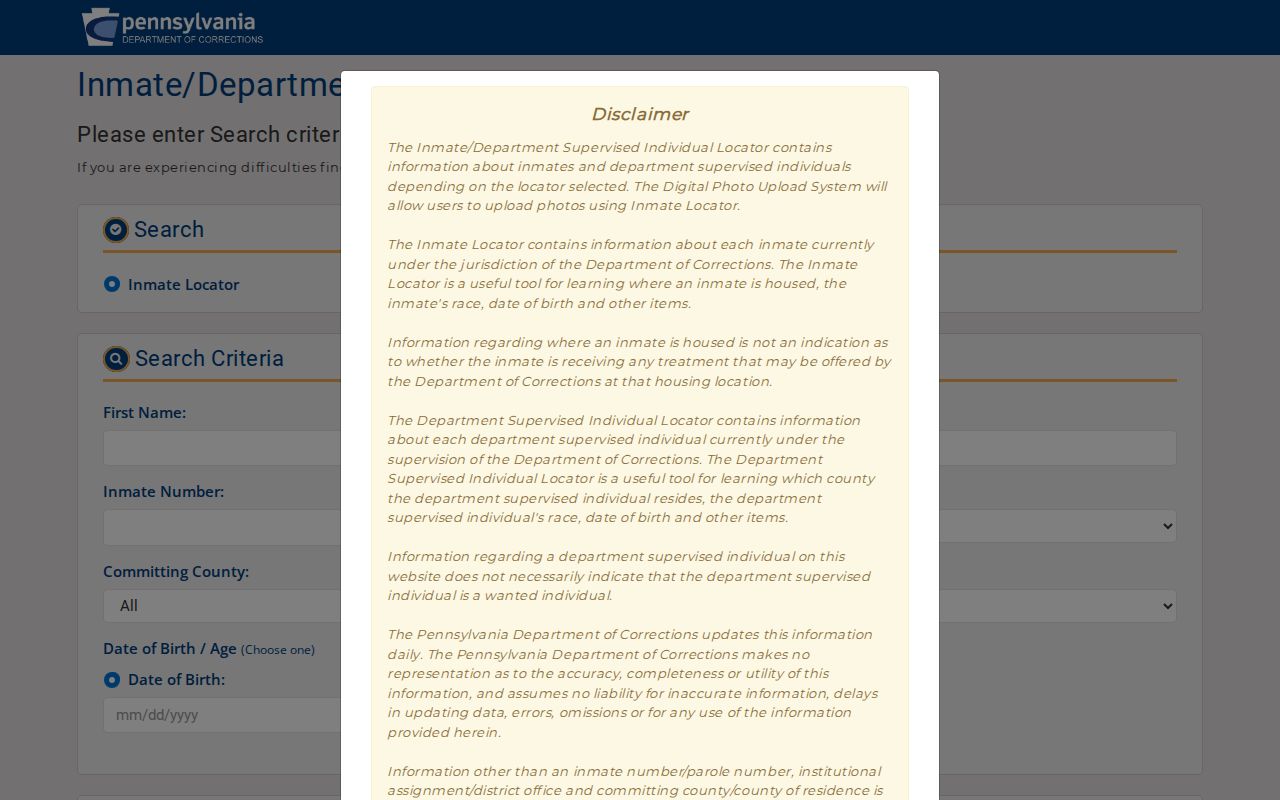
Use the right custodian for the record type rather than asking one portal to answer every Plum question.
Plum Records Require Respectful Use
Public access has boundaries. The Pennsylvania Address Confidentiality Program can place a substitute address in government, court, voter, license, school, marriage, and vehicle records for eligible participants. Court files can be sealed, limited, juvenile, or otherwise protected. Driver data is restricted by federal law. A property owner or a tax-mailing address does not establish that someone presently lives at a location.
Lawful use. Plum records are for personal, civic, historical, and family research. Do not use information from any source to stalk, harass, intimidate, or harm another person.
The Pennsylvania Megan’s Law site states its own public-safety purpose, accuracy warning, and misuse prohibition.
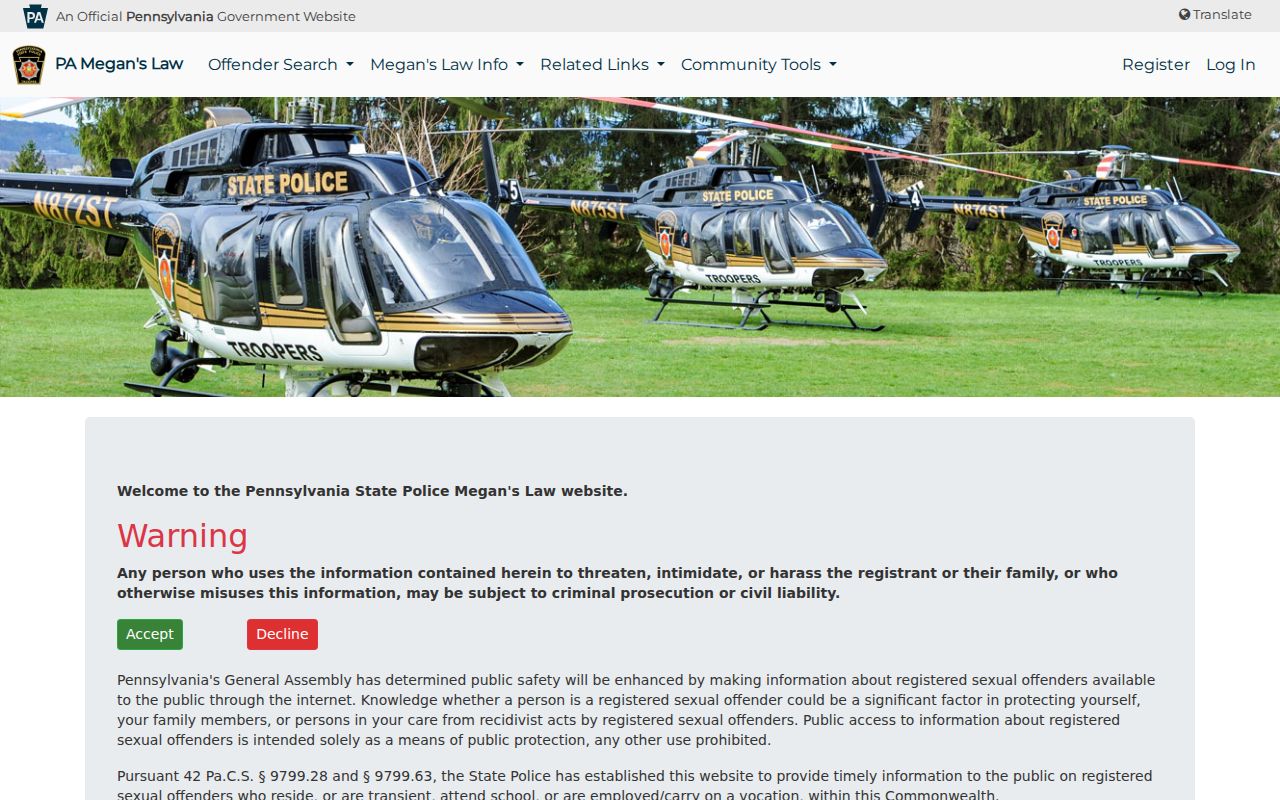
Its address and radius features are not a general resident directory and must be used only within the registry’s stated rules.